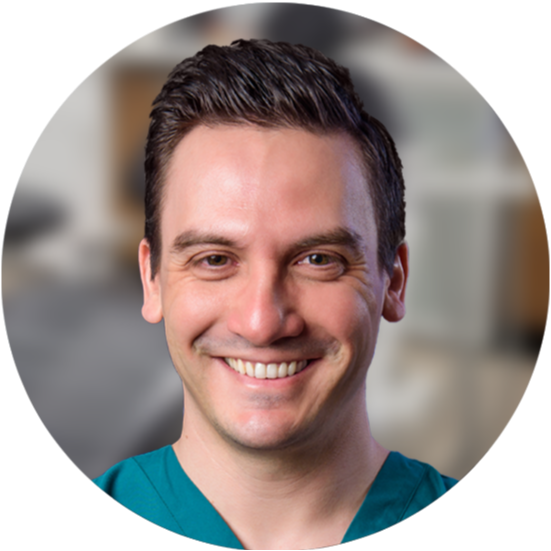
Nathaniel Lawson
DDS, MA, PhD
Material Behaviour and Adhesion in Conservative Dentistry: A Research-Driven Clinical Framework
DAY 2 - Friday, January 15 | 10:30AM - 12:30PM | 2 CE Credits
About Dr. Lawson
Dr. Lawson is the Director of the Division of Biomaterials at the University of Alabama at Birmingham School of Dentistry and the program director of the Biomaterials residency program. He graduated from UAB School of Dentistry in 2011 and obtained his PhD in Biomedical Engineering in 2012. His research interests are the mechanical, optical, and biologic properties of dental materials and clinical evaluation of new dental materials. He was the 2016 recipient of the Stanford New Investigator Award and the 2017 3M Innovative Research Fellowship both from the American Dental Association. He served on the American Dental Association Council of Scientific Affairs and is on the editorial board of The Journal of Adhesive Dentistry and Compendium. He has lectured nationally and internationally on the subject of dental materials. He also works as a general dentist in the UAB Faculty Practice.
Course Outline
This evidence-based program reviews contemporary restorative materials and clinical techniques that support conservative, predictable dentistry. Drawing from recent laboratory research and clinical experience, the course examines bulk-fill and injectable composite strategies, advances in light-curing technology, and adhesion protocols that improve efficiency without compromising bond strength or restoration longevity. Participants will learn how injection-molded composite workflows compare with traditional freehand and emerging 3D-printed approaches, and how curing parameters influence adhesive performance. The course also integrates preventive concepts, highlighting the role of powered brushing systems and specialty oral hygiene devices in maintaining long-term restorative outcomes. Emphasis is placed on translating material science into practical clinical decision-making that enhances patient outcomes.
Learning Objectives
- Describe the material properties and clinical performance considerations of Bulk Fill/Bulk Cure, including shrinkage, wear, adaptation, and adhesive compatibility
- Compare injection-molded composite techniques with freehand and printed veneer workflows based on current survival and efficiency data
- Evaluate how curing light output and exposure time (e.g., fast-cure protocols vs laser)
- Integrate preventive strategies into restorative treatment planning to enhance restoration longevity and optimize oral health outcomes